/nav-logo-desktop.webp "Marketing Architects")
Episode 150
Streaming TV and the Effectiveness of Modern TV with Nikki Erkkila
Streaming now accounts for 47% of all TV viewing. Five of the top 10 most-streamed days ever happened in November 2025 alone. But TV isn't disappearing. It's just fragmented.
This week, Elena, Angela, and Rob are joined by VP of Media Partnerships Nikki Erkkila to discuss the state of modern TV advertising. Together, they break down the biggest misconceptions about streaming versus linear TV, why hyper-targeting can actually limit growth, and how marketers should approach buying Connected TV without losing the power of broad reach.

Topics Covered
• [04:00] How fragmented is the TV landscape really?
• [10:00] Why CTV feels familiar to digital marketers
• [16:00] The biggest mistake marketers make with CTV
• [21:00] Should you buy linear or streaming? (Hint: It's not either/or)
• [23:00] When is targeting worth the cost?
• [29:00] How creative strategies can differ in streaming versus linear
Resources:
2025 Nielson Report
2026 Awful Announcing Article
Today's Hosts

Elena Jasper
Chief Marketing Officer

Rob DeMars
Chief Product Architect

Angela Voss
Chief Executive Officer

Nikki Erkkila
VP of Media Partnerships
Transcript
Nikki: Even now with emerging CTV platforms and so many people cutting the cord and things like that, there is still a mix of people watching both platforms. I'm always in the camp and I think everybody here is always in the both camp, because there's so much power in where people are still consuming their video.
Elena: Hello and welcome to the Marketing Architects, a research first podcast dedicated to answering your toughest marketing questions.
I'm Elena Jasper. I run the marketing team here at Marketing Architects, and I'm joined by my co-hosts Angela Voss, the CEO of Marketing Architects, and Rob DeMars, the Chief Product Architect of Marketing Architects.
Rob: Hello.
Angela: Hi there.
Elena: Hi, and we're joined by Nikki Erkkila, our VP of Media Partnerships at Marketing Architects.
Nikki: Hi everybody. Thanks for having me.
Rob: Okay. I'll just throw something out really quick because we love having guests on this podcast and we like to do a little research just in case, to see if there's any interesting factoid the listeners might want to hear about. Tell us a little bit about this Rip Van Winkle thing. Apparently you can sleep anywhere. Can you talk a little bit more about that?
Nikki: Okay, so clearly you got the inside scoop from somebody else at this place, and I know exactly who that is. So she'll, she'll get it later.
Angela: They're going down later. Yeah.
Nikki: Yeah, so apparently when I travel now, I can sleep anywhere—plane, train, sprinter van, in between meetings. I don't know. I used to never be able to do that, and all of a sudden, people will be traveling with me and go into a meeting and they look over, and she's taking a little cat nap. So yeah.
Rob: That's a superpower. So media is your superpower and sleeping is your superpower.
Nikki: Exactly, exactly. I think after I got my Oura ring this year, it said, you need to work on your sleep. And I've really taken that to heart, so.
Rob: Nice.
Nikki: Yeah.
Angela: Good for you.
Elena: Oh my goodness. I got an Oura ring this year too, and the stress levels—I don't know about you, but mine are, it's like, what's wrong with you? So yeah, those naps tend to help, like bring that down a little bit.
Nikki: Exactly.
Elena: Awesome. Well, thank you so much for joining us, Nikki. We are back with our thoughts on some recent marketing news, always trying to root our opinions in data research and what drives business results. Today we're talking about all things streaming TV and I have a few, actually two different articles I wanna feature today. It was honestly hard to pick 'cause there are so many articles just every day about streaming. But the first I chose was Nielsen's latest Gauge report. Nielsen puts out this report I think every quarter, and I find it helpful. Nielsen put this out and they were showing that at the end of 2024, we had some of the biggest TV months ever.
This was driven largely by live sports, but for November specifically, total TV usage grew 5.5% month over month with broadcast hitting its highest share of TV since last year, fueled by sports like NFL, College Football, and the World Series. At the same time, streaming hit record highs, accounting for 47% of all TV viewing with five of the top 10 most streamed days ever, which is crazy, occurring in November. Thanksgiving day alone generated over 103 billion minutes of viewing. Then one other article I found is about sports, 'cause that always comes up a lot when we talk about streaming TV. It's called "The Strange State of Sports on FAST TV". This was written by Manny Sosa and published by Liam McGuire in January of 2026. Sports dominate live TV overall and they're a constant part of the streaming TV conversation.
And this article found that free ad-supported streaming TV currently makes up only about 6% of total TV viewing with low awareness and small, fragmented audiences. Some major sports have experimented with FAST, but most are moving games back to larger, more established platforms. And those sports rights for TV are complicated as many of us know. I'm sure just by being consumers, especially our YouTube TV consumers, I think probably have a special pain with sports and streaming. So Nikki, thanks again for joining us. You know firsthand 'cause of your job, how complex the TV landscape is right now for both brands and agencies. How would you describe the TV landscape in general for a marketer who's trying to make sense of it today?
Nikki: Great question. Thanks for sharing some of those stats. Those are just incredible and the growth, and how many people are tuning in. But I'll start off by saying, and I think we can all agree that TV is not broken or disappearing, it's just fragmented, right? We are still watching a massive amount of high quality video. It's just across so many different platforms now and in different mediums. We have linear, we have streaming, we've got OTT, out of home. We've got, like you were mentioning, Elena, FAST channels, like all of these different ways to consume media.
And so I think for marketers, really the challenge isn't access anymore. It's just making those smart decisions on how to get your media into market at the right time. The great thing here at Marketing Architects is that we focus on simplifying that complexity and we really anchor to what drives growth—your reach and your consistency, super strong creative in market, and kind of that trifecta as we place plans.
Elena: Right. There used to be, at one point, I remember we even had these conversations as streaming was becoming a thing. I remember it was very common for people to say that advertising might just be done. Like why would anyone watch an ad again when you could pay for no ads, but clearly that's not happening. One question that I had for you was from your perspective, there are a lot of kind of misconceptions when it comes to streaming. I know we encounter it every day when you hear a stat like, you know, streaming is now nearly half of TV viewing. When I think of that, I think most marketers might be surprised actually to hear that. Like I think if you asked a random marketer, they'd probably think it's like 90%. So what do you think is kind of the biggest misconception that's out there when it relates to stats like that?
Nikki: It's a great point and I think that, you know, without some context and without kinda like diving into it, you really have to just understand what you're reading and what you're seeing, because we've all been there, right? You get releases and different pieces of information that come over and depending on what's in that pie chart, right? Or what they fielded in that study, it can be kind of misleading because what are we looking at? Are we looking at AVOD, SVOD, the specific streaming platform? So you really kind of have to dive into there because streaming isn't one thing. It's dozens of unique platforms with unique experiences, different ad loads, ad units that are placed on there. So I would just say, make sure that you understand what you're looking at. But really the power of linear and streaming together, it still exists and it is still growing.
Elena: Right. So, like you said earlier, the challenge isn't, can I find my audience—like they're watching, but it's just how exactly am I gonna reach them because they could be in many different places. Sometimes it might be surprising. The streaming conversation also seems to, at least from my perspective, come back to sports quite a bit.
I think TV in general, marketers get really interested in sports. I mean, I've even talked to some marketers who just wanna be in sports programming. Like when they think about entering TV, they're like, I'm gonna buy a sports package with a team. Do you think that marketers overestimate how important it is to be in sports programming?
Nikki: I'm a sports fan. I grew up playing sports and watching sports and we had NFL on, you know, all the time within the house and college football and all those good things. So I'm a sports enthusiast and so I just love it and gravitate towards it. But I do think that sports programming is super, super powerful. But I don't think they're always required for success, right? Live sports are gonna really deliver that high profile exclusive event that, you know, we're gonna be able to see a lot of incremental reach and those light TV viewers that are coming in during those particular moments.
But sometimes those live events, especially, you know, right now as we're getting into NFL playoffs and we're getting into the Super Bowl and we're getting into the Olympics, definitely those moments that are gonna capture audience and bring in those light TV viewers. But it can be expensive, right? So I think it's a great balance of just being able to work with a team and work with your media team to really understand, okay, if we can't get into those really exclusive moments like we just had on Monday night with the college football championship, what other types of programming can we get in to kind of feed that sports bucket, right? There's shoulder programming, there's incredible reach on, you know, some of your broadcast channels and your sports cable networks. And that can be just a really fantastic way of still dipping into that sports pool without having to go full fledged into, you know, one of those live events.
Elena: Would you say it's more of like a cost decision then? Because that's really what becomes prohibitive to marketers, right, is if you're only focused on "I need to be in the big games," it's just gonna become too expensive. So how do you supplement it with other inventory too?
Nikki: Yeah, exactly. So it's really finding that balance of, okay, we're going to allocate, you know, maybe some high impact budget here or this piece of our marketing dollars are gonna be used for those high profile events. And then, you know, I think we do a fantastic job here at MA just really trying to understand, okay, where can we find the floor on that? Just making sure that, you know, we're going in with as competitive pricing as possible, to really drive home that reach and those efficiencies at the end of the day.
Elena: That makes sense. When I was thinking about CTV or streaming, however you wanna call it, and the excitement there, I do think a big part of it is reaching new audiences or, you know, marketers believing all my viewership is now in streaming. Or a lot of it tends to be, you know, sports rights moving into streaming is very exciting, but I also think a pretty justified part of the excitement is that marketers see it as an easier bridge to TV from digital than traditional linear television. It's seen as easier to buy. What about CTV is familiar to digital marketers and where do you think that comparison tends to fall apart?
Nikki: So I think, you know, that's always the great thing when you are working with digital marketers and they have a really strong background with that, then they bring that, you know, knowledge base over—it translates really easy to CTV, right? Because it's bought through platforms with targeting, with, you know, unique dashboards, really interactive. It's all programmatic, so it's practically real time. Very different than the linear world, right, where it's just a little bit slower, a little bit, you know, still rooted in some archaic practices and just like a longer lead time and things like that. Not to say that's bad, but it's just a different experience, right, coming in and really kind of looking at both ways to buy. But I think that the differentiation there really comes into, you know, just attention and your viewing mindset and just the impact of it. Both mediums are super impactful. It's just really knowing exactly how to navigate each and you just have to have a smart team behind you to help you navigate that world.
Angela: Totally agree, Nikki. I think the other thing I think of too related to familiar versus differences between the two is, you know, similar to digital, CTV can really drive immediate sales. We know this to be true on the linear side too, but I think to your point, the dashboards, the impressions, the CPMs, the platform, the targeting, et cetera, feels so similar to the digital side that then we go, well, we're just really capturing demand as it exists in market with a channel that feels very familiar and, and sort of safe as they come into that channel.
But CTV is still fundamentally television and its superpower is scale and emotion and memory building, not necessarily precision, although on the CTV side, you know, arguably we can be more precise. We can get into debate over that too. That's a different episode. But the real opportunity with CTV is it can do both, right? Generate that near term response and build that long-term brand growth. And I feel like sometimes we forget that second part, even though that's really where the power should be held.
Nikki: Yep. No, totally agree. That's a great point.
Elena: One thing that I think isn't talked about enough is just the different ways to buy CTV. If you talk to a marketer with CTV experience, they could have gotten that experience in a lot of different ways. Like they could be buying through a self-serve platform. They could be working with a large platform like the Trade Desk. They could be going direct to any number of platforms—name the platform, they could go and be buying directly from them. Nikki, I find that confusing. Like just if you look like, how am I gonna buy CTV? There's all these options. So given how fragmented it is, how do you think marketers should be thinking about buying CTV today?
Nikki: One first step is really understanding your target audience and where are they consuming media, right? I think that we do such a fantastic job within our teams here when we're bringing on clients and we're first working with them and even throughout the entire life cycle here. We do an extensive Comscore study, right? To really understand where is that target audience watching? How are they consuming media? What is the percentage on linear versus streaming?
And that really informs how we go into market initially with their media plan. Now, within that, of course we have our media buying engine, Annika, which is our AI-driven platform that really informs our buys, tells us about clearance patterns, things like that. But the great thing with that is that on the streaming side and on the CTV side, we are constantly adding publishers, adding different ways to reach, you know, your audience with different platforms. So I would say that it's such a dynamic world that's always changing. But we are on the forefront of that.
And once we do learn, you know, from a Comscore study, okay, you know, about 40% of their audience is watching linear and 60% is watching streaming, we'll go in with a really holistic approach, knowing that we can capture those audiences and really maximize the reach across both. And then we let the performance dictate where we go from there, right? Just making sure that we are seeing the conversions and seeing where, you know, really is driving that ROI and then that kind of goes on throughout the entire life cycle. So it's a really smart and informed way to place their media.
Elena: Do you think it's fair to say, and I might be jumping into the next question a little bit as far as like CTV buying mistakes, but is it fair to say that buying direct from publishers is not always the best route? I'm not saying that I know we love our publisher partners, but when you go direct, if you're buying from, you know, a Hulu separately and then a Peacock separately, it can be hard to control for frequency and what audiences that I'm hitting, and it can be expensive. And I know at Marketing Architects, we built a DSP that can look for where is my audience watching, then choose the most efficient ways to get in front of 'em from multiple publishers. Do you think that's fair to say? Like if that's the way you're approaching, maybe it's a fun way to test or get started in it, is a direct relationship, but then it's probably gonna be more efficient to work with a demand side platform that can find your audience, like where they're watching at the most efficient price?
Nikki: Exactly. And the nice thing with, you know, both Annika or DSP on the CTV side and the linear side is that we know that there are so many different ways to reach that audience, right? So whether you're going to a certain network direct and, you know, negotiating that way to really see that reach on a national scale, but that's not always the most effective way or the most efficient way. It can be sometimes, but it just kind of depends on that time of year and different marketplace dynamics. But the great thing is that we have ways to not only reach those audiences on that same network different ways through different paths, and that's all connected within Annika, within the DSP. But we also have ways to say, okay, if we know that a certain buyer or a certain audience is watching on, you know, this particular sports network, whether that's ESPN or FS1, or whatnot, how can we contextually target that? Right? How can we broaden out that particular viewing audience to say, if they're watching here, they're probably gonna be watching on these FAST channels, they're probably gonna be watching on these particular other stations. And so then we expand that into the media plan.
Elena: So having optionality is gonna help you get a more efficient buy, being able to be flexible. Well, in speaking of some mistakes we can make when buying connected TV, what do you think is the biggest mistake a marketer might make when they're approaching the channel?
Nikki: I think that a lot of people, and we did the same thing right when we were first, you know, learning about the space, is we have to be so hyper targeted, right? We have to go in and we have to find the exact audience and the exact person. And if Rob and Angela and Elena and Nikki are this particular person, we're just gonna target them. So I think that, you know, CTV, it's a beautiful type of medium where you can get very hyper targeted. But I would say don't go in with such a laser focus that you can't kind of broaden it out and think of it as really reaching incremental audiences within that at an efficient price.
And then the last thing I will say that sometimes people and marketers still kind of delineate is, don't silo. Right? Like Rob, I think you were saying earlier and we were just discussing, TV is TV now. You know, I know sometimes when I turn on my TV, okay, I'm going into this streaming platform or I'm going into this linear channel. But once you're watching, you're watching TV, right? So don't silo.
Angela: All the time. I'm so annoying to my husband because in the field that we work in, of course you see ads or, you know, maybe it's new ad formats. And how many times a week do we all go, "What are we watching right now?" Yeah. Sorry, is this Hulu? Like, what are we in right now? Because I need to know where this is happening. I think the other thing that ties to what you were saying first, Nikki, is what are we buying and how do we understand what's working versus what's not? You talked about incremental reach, super important, but the other mistake that we see is just marketers assuming that they're getting an incremental game, but never actually proving that it is.
So you're just working with bad data. Too many advertisers are building CTV plans around targeting and retargeting style segments or, you know, to your point, overly narrow audience definitions. That all happens for sure. But they end up giving credit, you know, being assigned to people who were already likely to convert. And so it looks efficient in a dashboard, but it's often not kind of creating that new demand, new awareness, new buyers, new reach. But because the reporting is detailed, we feel confident in what we think that, you know, outcome is. So we're not solving for that true incrementality. So we're just then working with bad insight and therefore the cycle repeats itself when it comes to buying.
Rob: Angie, I got a question about that 'cause I'm the last person that can and should pop off on CTV with you gurus in the room. But when it comes to what you're talking about, Angela, with measurement, is there a tendency for people, because they're coming into CTV, seeing how it can behave like digital, that they get attribution wrong 'cause they're looking at clicks versus, you know, impressions and things like that?
Angela: Absolutely. I mean, I think that sets right back to what we're saying here is the difference between digital and CTV. What's the biggest difference? We're talking about a screen on the wall. So regardless of the, you know, amazing targeting plan that we've pulled together, we don't even know if someone's in the room, right? Is it my daughter versus me? And then with measurement and the precision that we like to think is there, yes, in theory, we're trying to kind of close the loop on attribution. Okay, an impression was delivered to an IP. Now we've got, you know, we've got data that supports that IP address also hit a website. Okay, what's the device graph that's being used? How broad is it?
Was there marketing that person saw before that CTV ad was delivered? And so are we really measuring incrementality? You know, we talk about multiple measurement methods is the way to look at any top of funnel frankly, but specifically to linear and CTV. How many models can we put in place to try to triangulate performance? 'Cause no single model is gonna give us an accurate outcome. And so even going back to things like geo test holdouts, like one of the greatest ways to get true incrementality is still being used today across the entire nation with very modern marketers because incrementality is really hard to come by.
Elena: Yeah, I think it's kinda natural to feel like this should be easier to measure, Rob, 'cause if you can target it, you know, like more like digital—which again, Angie, we're gonna talk about that in a second—but then it naturally feels like, well, if I can target the exact person I want, I should be able to measure then did that person respond to the ad? But it's not quite that simple. Before I get to targeting, Nikki, I wanted to ask you about linear versus streaming, because I think this comes up a lot too with marketers.
They think, all right, I'm ready. I wanna invest in TV. And I think the instinct today is to go right to streaming, but how do you think a marketer should decide if they wanna invest in linear versus streaming? And I'll say at Marketing Architects, we don't love this question 'cause we look at it as more holistic. But if you're just starting to approach it, how do you think you should decide?
Nikki: I think, you know, you said that really nicely. It's rarely an either-or decision, right? They both play such a role in just reaching your overall audience. And, you know, when we, as I mentioned before, when we do these Comscore studies and really understand down to your target audience, very, very rarely do we ever see a hundred percent on one versus another, right? Even now with emerging CTV platforms and so many people cutting the cord and things like that, there is still a mix of people watching both platforms. And I think that they both serve such a vital role.
You know, with linear you have your one to many, you can often, you know, really get in at certain times of the year which are more efficient than others. And if that is tight, then we can move, you know, budgets around and whatnot. But really, you know, within that CTV environment, that's where we were just talking about, you can be a little bit more precise and whether, even if you're not hyper targeting all the way down to such a level that that's really making your media inefficient, you can put those little parameters on there that still get to a little bit more precision than linear. So, I mean, I'm always in the camp and I think everybody here is always in the both, you know, because there's so much power in where people are still consuming their video.
Elena: I agree. Don't rule out linear automatically, which I think sometimes happens. Right. Alright, let's talk about my favorite topic, which is targeting. First like to say we are not anti-targeting, we're anti-excess targeting that's not worth it. But when do you think, 'cause that's one of the positives, like you said of CTV, is you can be more precise than linear in who you're reaching. When do you think targeting is worth it and when is it not?
Nikki: I think that it's definitely useful when it adds, you know, we were just talking about incremental reach, avoids obvious waste. But we don't want it to limit scale, right? And so that sometimes can really work against growth. So it's finding that right balance of, okay, how are we going to really go in with this media plan and target our audience and what we know about that, but not to such a degree where we are really limiting the amount of scale, because the scale out there is incredible and there are so many additional platforms and ways that, you know, even a traditional SVOD platform is now maybe that hybrid type of a platform, and so it's really opening up. And we just wanna be mindful that we don't hyper target to that we get to a stop, because the growth there is phenomenal.
Angela: Yeah. I mean, it really comes down to like, what's the trade-off with hyper targeting? There's the reach issue, there's also the cost issue, right? So I think, you know, where your CPM premium is reasonable—you can define what that reasonable is, it depends on what the base inventory cost is—if your cost of inventory is increasing by 50%, you're sort of like, okay, what's the math on that, you know, that needs to return. Now we're back to the measurement issue and incrementality. Maybe it is worth it, but we should be setting up tests in a way that allow us to really identify whether or not that CPM premium is worth it or not. I think the other one that's obvious is you have a real exclusion rule, and what I mean by that is you don't sell nationwide, right? So you exclude non-service areas is sort of a no-brainer.
Elena: I was thinking the other day about like targeting versus segmentation. I know this is a little bit of a tangent, but like targeting when it comes with cost—you have to weigh the cost benefits. I don't think segmentation is a bad thing. I dunno, maybe thinking about it that way could help, 'cause targeting has such an a negative connotation to it sometimes. And you mentioned reach and one of my worries about things becoming, you know, so streaming first is that marketers will try to force fit streaming into more of a digital model and will lose some of the benefits of broad reach that you're forced into when you're buying with linear TV. How do you think that marketers should think about reach as we're moving into this more streaming first environment?
Angela: Yeah, I think that sometimes marketers are thinking about reach as something you get from one buy and I think we need to think about reach as a distribution problem that you have to design on purpose. Reach, we've talked about this before, you know, it's still very important, if anything more important because broad reach is still how brands grow. What's changed is that you don't accidentally achieve it anymore. In an old TV model, you could buy a few big networks and you could deliver scale by default, just because of consumer audience patterns. Today, viewing is spread across many platforms, and streaming share, quote unquote, doesn't automatically translate into accessible, efficient, ad-supported reach. Some streaming is ad free, some is walled off. A lot of it is fragmented into smaller pockets that could be expensive to buy at scale.
And streaming also introduces the hidden tax of frequency concentration because targeting pools and algorithms can be narrow. It's easy to spend a meaningful budget and mainly hit the same viewers again and again, which sometimes I think marketers think is productive. Maybe that's due to dashboard reporting, but it doesn't build that broad mental availability in market. And so the best approach is just to think of modern TV as one reach plan delivered through multiple pipes—linear for efficient scale, assuming you're buying it efficiently, and that's a big caveat there. Sometimes I think marketers get that wrong. And then streaming for that incremental reach, as Nikki mentioned earlier, that flexibility, allowing you to maximize that unduplicated reach to the best of your ability and manage frequency and just build that brand memory over time.
Elena: Well, speaking of fragmentation, we just had an episode on that a few weeks ago. That's been a big topic in marketing—media's becoming so fragmented and everyone's just in their own unique little viewing environment. Do you still think that big TV moments matter even as your viewership starts to fragment more?
Angela: Yeah, I do. It's a debatable topic, I would say, and I'll get into it a little bit. Nikki's smiling. She knows we have debates like this internally. But shared attention is rare today, right? And rare things I think can create outsized impact. They don't always create outsized impacts. You know, even as viewing fragments across platforms, there are a handful of events that pull these large audiences into the same place at the same time. And that kind of, it can create cultural gravity. It doesn't always create cultural gravity. And that's why I think this topic is a little hard. There's a collective experience, there's conversation, there might be emotional intensity depending on what you're viewing, you know, what the commercial is. So where I think this can be overdone is brands become obsessed with only being seen in big TV moments. And that's not right either. We unfortunately for marketers and for our egos have to remember that consumers and TV viewers care very little about our brands and about our big creative ideas. So efficient impressions that create memorability and long-term demand is really important. And if big TV moments are coming at the cost of doing that and being able to be consistently in front of your audience, then we're overplaying that card to the detriment of growth for the brand.
Elena: Yeah, it's gotta be a bit of a balance. Rob, this has been a very media heavy episode.
Rob: So good. I'm learning so much.
Elena: But creative is a big topic in streaming TV also, because a lot of brands that are going to streaming TV for the first time, they might have never had a commercial before. Do you think that creative strategies should differ in streaming TV versus what we've traditionally done in linear television?
Rob: I think it definitely can build upon what is working really well in TV. And I'm gonna give one idea that is gonna draw a lot of fire from this audience. You gotta hear me out. We really love that reach and, you know, one of the temptations is you can create a thousand pieces of different creative, right, for streaming. So you're like, well, Rob, that's the wrong way to do it because now you're trying to hyper target. But what if you take that one big ad, the one big idea, the halo, and you execute it a thousand different ways? And what I mean by that is you can customize that core message by weather in particular geographies like weather events, you know, we talked about sports, like maybe a sports vibe or local, whatever that might be.
And that's a creative exercise in and of itself. But recognizing you can take the big idea and that message, that message that you reach everybody, but give it a little bit of flavor based on what your needs might be. Streaming allows you to do that. So I think that's a cool thing that streaming has going forward. I think the other thing is with linear you're not really sure if people have seen all of your ads, right? You might be seeing a campaign out of a particular order. So you have to be sure that your, you know, your ads can stand alone. But with streaming, you can tell a story if you want to, right? You can make sure that your audiences are seeing the ads in a certain sequence, and that's cool. That invites new creative opportunities as well.
Elena: Yeah.
Nikki: No, I think, Rob, you made a great point too on, you know, just the way that you can dynamically shift and change different creatives kinda on a dime now that we couldn't do, you know, 3, 4, 5 years ago. And I was talking with Aaron at CES when we were there a few weeks ago, and, you know, he was mentioning a piece of creative that we had in market that had different dialects, right? So we have a different sounding tone for, you know, our folks up in the northeast versus the southwest. And I think that is so cool that, you know, the technology and AI and all these advancements now can really allow us to do that and just make that creative so powerful.
Rob: Yeah, for sure. You betcha.
Elena: My goodness.
Nikki: Yeah. Yeah.
Elena: How does that not work better? I mean, come on. It just sounds like home to me. But no, Rob, we are very excited about, I know we have this mass customizer as an agency, and I'm super excited about what that could do. I think that's where we could talk about this again. I said earlier like targeting versus segmentation. Like I think there's a difference. Yes, mass customizing when you're paying a premium to adjust an ad to target an individual starts to be harder for me, 'cause like, all right, how much better does it have to be? But you know, in streaming you can target by geography without added costs. So I think experimenting with stuff like that is really, really exciting. But again, that's like kind of segmentation, yes, not like tight targeting. It could work, but it's harder. So I know we're—
Rob: That's a great way to put it.
Elena: Well, speaking of excitement, what gives us the most optimism about the future of TV? And Nikki, I'll have you start us off.
Nikki: You know what gives me the most optimism is that the fundamentals, they still work, right? And video builds an incredible amount of memory and emotion, and it continues to drive strong business results. I think, you know, our team was reading something from eMarketer a few weeks ago that said, you know, overall video consumption is still up year over year, and it's projected to be in 2026. And adults, you know, 18 plus, are expected to spend just over five hours each day watching TV, which is nearly 40% of their total time that they spend with media. So, I mean, that is optimistic in itself and just really speaks to the power and just the attention that people are still giving it.
Angela: I would say too that, you know, we like to find inefficiencies and pick apart things that are not being done well in TV or just marketing in general, but we try to stay in our lane here related to TV and largely modern TV is becoming easier to buy and to manage, as long as you know enough, right, and you can kind of guardrail for your own brand. The pipes are more complex, but tools are improving really quickly, I think, for better planning, better pacing, better frequency controls, and TV's just becoming more flexible without losing that power that you're speaking to. I would also say that there's an evolution happening related to brand versus, you know, short term sales activation in general, where people are—
Brands today, I think, are, let's just say in prior years, maybe under-leveraging the channel because of short-termism thinking and things like that. But I think more and more people are being enlightened by research, by what we talk about here. There's a lot of others that are out there that are sort of evangelizing how you really grow brand, and more people are starting to realize the things that we've known to be true for a while, like getting too hyper targeted is paying more to ignore your future customers. And they're like, oh my God, never thought about it that way. So I'm excited about that.
Rob: I think your point too, it's easier to buy. It's also easier to create.
Angela: Yeah. Oh, absolutely.
Rob: That used to be just such a huge limiting factor on whether or not you could even choose to do television. And now, you know, obviously with all the advancements and with AI, you can show up on the world's biggest stage looking better than, you know, anyone else. I mean, it's just great. It's like you're a big brand, even though you're a small brand, you look huge. So exciting.
Angela: Absolutely.
Elena: Yeah. I'm excited about just the basic fact that the consumer has spoken and we are willing to watch ads in exchange for good content, 'cause again, there was a point where we weren't entirely sure like, are ads done in video? That'd be such a huge loss for marketers to lose the traditional TV format. So I think that's a positive thing. Okay, to wrap us up with kind of a fun question, and Nikki, you can get us started. How many streaming subscriptions do you currently have at this moment? And if you could only keep one, which would it be? And I did send this for people to prep beforehand, 'cause I knew this would take a while to count 'em up. So.
Nikki: Yeah. Oh my gosh. Okay. I have way more than I hate to admit, but this is what we do every day, so I have to have them, right?
Elena: It's research, yeah. Exactly.
Nikki: It's a baseline of research. I did try to do like a consolidation around the holidays, because I was like, what is coming out of my account every single month? Do we have dupes here in the house? And we did, but I think I'm down to about six right now. And gosh, Elena, I can't, I can't just pick one. There is so much amazing content, original content, sports content, you know, coming out on all of 'em. We have a little list within our media team. We keep a shared doc. It's media recos, new shows, and we add to that all the time. So I can't, I gotta keep all of them. Yeah.
Angela: She's passing.
Nikki: I know. I am passing. Sorry.
Angela: Should I go?
Elena: Yeah.
Angela: Yeah. So we too went through consolidation and I have to tell you how mind numbing it was to realize that both my husband and I were paying for the same or different subscriptions, but this, God dang it, it's nuts.
Nikki: Oh, we both have the ESPN.
Angela: Yes. How does that even happen?
Nikki: I dunno.
Angela: Oh my god. We're down to five.
Nikki: Nice.
Angela: And two, I agree. This is a really hard decision. I'm down to two, which would be Netflix or YouTube TV.
Elena: Hmm.
Angela: If I had to do one, I probably would do YouTube TV, I think.
Rob: This is a mean question, I actually think, because it's like, how can you ask to choose which child is your favorite? And I don't look at—you guys keep talking about consolidation. I talk about diversification. I want the basket. So I have 10.
Elena: Whoa. Wow.
Rob: Right. You know, between your Disney Plus, Hulu, Netflix, Paramount Plus with Showtime, right? That's kinda a two for one, your HBO Max, your YouTube TV, your Peacock TV, your YouTube ad free, and of course Apple One. It's all so good and I really gave this a lot of thought and I cheated a little bit 'cause one of my subscriptions is Disney Plus and Hulu. And that's a pretty powerful combo because I can get some Below Deck in and I can watch the Taylor Swift Eras Tour, you know? Like all in one subscription. That's a nice basket of content. So I'm gonna go with Disney Plus and Hulu, but man, it's a tough one.
Nikki: That's good. Then you get the Hulu live channel.
Rob: Absolutely. It's a, you get a lot, you get a lot with that one. I had to spend a lot of time thinking about this one, so it wasn't perfect, but I can feel pretty good about that choice. How about you, Elena?
Elena: Yeah, so I currently have six, but I think at any given time I could go up to eight. We're one of those households where we'll log on or we'll subscribe to watch a show to HBO or something, we'll dump it and then come back on. So I think I could be up to eight depending on the time of year and show. But yeah, that's a hard one. I was deciding between Hulu and Peacock. I ended up going with Hulu just because of the live sports element, 'cause that's what I use for my live TV. But Peacock I've found I watch more and more. I do love Bravo, but they also have like Olympics coverage on Peacock and they have more and more content. So I think that's a really exciting app to watch. But yeah, if I had to choose, I'd go with Hulu for my live TV.
Rob: So great to hear how you guys are choosing things by sports. I'm like, that is the last thing I—I need to make sure I can get, you know, get my movies in there. Fun stuff.
Elena: We know Rob is one of those viewers where if you're obsessed with sports, you ain't reaching the DeMars household. So think about that. And he'll buy—
Rob: I actually had to get, initially I got YouTube TV because of Thanksgiving, 'cause we have people over and they wanna watch a football game. I'm like, I have no other way to, so—
Nikki: I know.
Elena: Oh my gosh. Well thank you so much for joining us, Nikki. That was fun.
Nikki: Thank you.
Rob: Thank you, Nikki.
Nikki: Thank you guys for having me. This was awesome. I loved the conversation and, yeah, just to get everybody's perspectives. This was great.
Episode 150
Streaming TV and the Effectiveness of Modern TV with Nikki Erkkila
Streaming now accounts for 47% of all TV viewing. Five of the top 10 most-streamed days ever happened in November 2025 alone. But TV isn't disappearing. It's just fragmented.
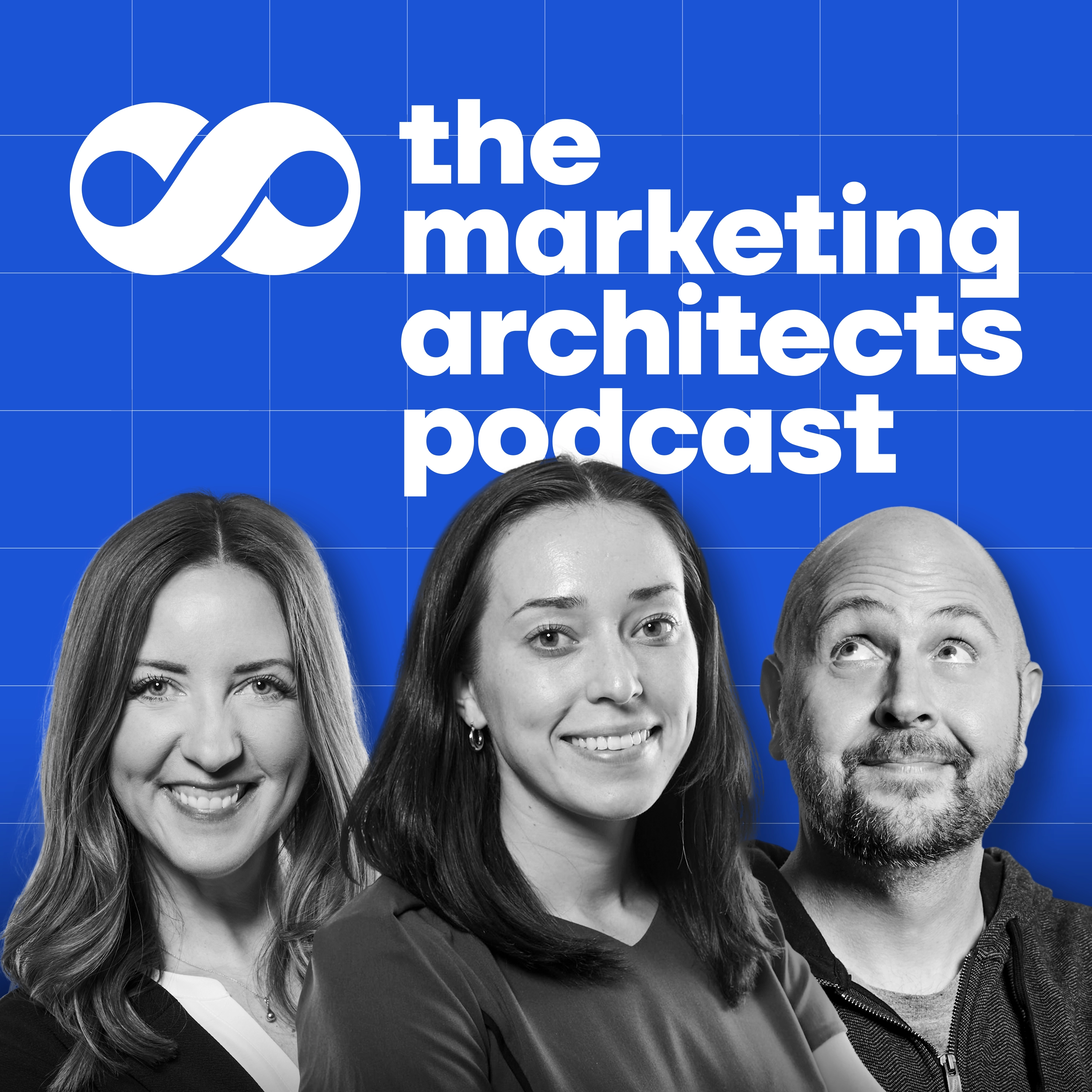
This week, Elena, Angela, and Rob are joined by VP of Media Partnerships Nikki Erkkila to discuss the state of modern TV advertising. Together, they break down the biggest misconceptions about streaming versus linear TV, why hyper-targeting can actually limit growth, and how marketers should approach buying Connected TV without losing the power of broad reach.
Topics Covered
• [04:00] How fragmented is the TV landscape really?
• [10:00] Why CTV feels familiar to digital marketers
• [16:00] The biggest mistake marketers make with CTV
• [21:00] Should you buy linear or streaming? (Hint: It's not either/or)
• [23:00] When is targeting worth the cost?
• [29:00] How creative strategies can differ in streaming versus linear
Resources:
2025 Nielson Report
2026 Awful Announcing Article
Today's Hosts
Elena Jasper
Chief Marketing Officer
Rob DeMars
Chief Product Architect
Angela Voss
Chief Executive Officer
Nikki Erkkila
VP of Media Partnerships
Subscribe on



Enjoy this episode? Leave us a review.
Transcript
Nikki: Even now with emerging CTV platforms and so many people cutting the cord and things like that, there is still a mix of people watching both platforms. I'm always in the camp and I think everybody here is always in the both camp, because there's so much power in where people are still consuming their video.
Elena: Hello and welcome to the Marketing Architects, a research first podcast dedicated to answering your toughest marketing questions.
I'm Elena Jasper. I run the marketing team here at Marketing Architects, and I'm joined by my co-hosts Angela Voss, the CEO of Marketing Architects, and Rob DeMars, the Chief Product Architect of Marketing Architects.
Rob: Hello.
Angela: Hi there.
Elena: Hi, and we're joined by Nikki Erkkila, our VP of Media Partnerships at Marketing Architects.
Nikki: Hi everybody. Thanks for having me.
Rob: Okay. I'll just throw something out really quick because we love having guests on this podcast and we like to do a little research just in case, to see if there's any interesting factoid the listeners might want to hear about. Tell us a little bit about this Rip Van Winkle thing. Apparently you can sleep anywhere. Can you talk a little bit more about that?
Nikki: Okay, so clearly you got the inside scoop from somebody else at this place, and I know exactly who that is. So she'll, she'll get it later.
Angela: They're going down later. Yeah.
Nikki: Yeah, so apparently when I travel now, I can sleep anywhere—plane, train, sprinter van, in between meetings. I don't know. I used to never be able to do that, and all of a sudden, people will be traveling with me and go into a meeting and they look over, and she's taking a little cat nap. So yeah.
Rob: That's a superpower. So media is your superpower and sleeping is your superpower.
Nikki: Exactly, exactly. I think after I got my Oura ring this year, it said, you need to work on your sleep. And I've really taken that to heart, so.
Rob: Nice.
Nikki: Yeah.
Angela: Good for you.
Elena: Oh my goodness. I got an Oura ring this year too, and the stress levels—I don't know about you, but mine are, it's like, what's wrong with you? So yeah, those naps tend to help, like bring that down a little bit.
Nikki: Exactly.
Elena: Awesome. Well, thank you so much for joining us, Nikki. We are back with our thoughts on some recent marketing news, always trying to root our opinions in data research and what drives business results. Today we're talking about all things streaming TV and I have a few, actually two different articles I wanna feature today. It was honestly hard to pick 'cause there are so many articles just every day about streaming. But the first I chose was Nielsen's latest Gauge report. Nielsen puts out this report I think every quarter, and I find it helpful. Nielsen put this out and they were showing that at the end of 2024, we had some of the biggest TV months ever.
This was driven largely by live sports, but for November specifically, total TV usage grew 5.5% month over month with broadcast hitting its highest share of TV since last year, fueled by sports like NFL, College Football, and the World Series. At the same time, streaming hit record highs, accounting for 47% of all TV viewing with five of the top 10 most streamed days ever, which is crazy, occurring in November. Thanksgiving day alone generated over 103 billion minutes of viewing. Then one other article I found is about sports, 'cause that always comes up a lot when we talk about streaming TV. It's called "The Strange State of Sports on FAST TV". This was written by Manny Sosa and published by Liam McGuire in January of 2026. Sports dominate live TV overall and they're a constant part of the streaming TV conversation.
And this article found that free ad-supported streaming TV currently makes up only about 6% of total TV viewing with low awareness and small, fragmented audiences. Some major sports have experimented with FAST, but most are moving games back to larger, more established platforms. And those sports rights for TV are complicated as many of us know. I'm sure just by being consumers, especially our YouTube TV consumers, I think probably have a special pain with sports and streaming. So Nikki, thanks again for joining us. You know firsthand 'cause of your job, how complex the TV landscape is right now for both brands and agencies. How would you describe the TV landscape in general for a marketer who's trying to make sense of it today?
Nikki: Great question. Thanks for sharing some of those stats. Those are just incredible and the growth, and how many people are tuning in. But I'll start off by saying, and I think we can all agree that TV is not broken or disappearing, it's just fragmented, right? We are still watching a massive amount of high quality video. It's just across so many different platforms now and in different mediums. We have linear, we have streaming, we've got OTT, out of home. We've got, like you were mentioning, Elena, FAST channels, like all of these different ways to consume media.
And so I think for marketers, really the challenge isn't access anymore. It's just making those smart decisions on how to get your media into market at the right time. The great thing here at Marketing Architects is that we focus on simplifying that complexity and we really anchor to what drives growth—your reach and your consistency, super strong creative in market, and kind of that trifecta as we place plans.
Elena: Right. There used to be, at one point, I remember we even had these conversations as streaming was becoming a thing. I remember it was very common for people to say that advertising might just be done. Like why would anyone watch an ad again when you could pay for no ads, but clearly that's not happening. One question that I had for you was from your perspective, there are a lot of kind of misconceptions when it comes to streaming. I know we encounter it every day when you hear a stat like, you know, streaming is now nearly half of TV viewing. When I think of that, I think most marketers might be surprised actually to hear that. Like I think if you asked a random marketer, they'd probably think it's like 90%. So what do you think is kind of the biggest misconception that's out there when it relates to stats like that?
Nikki: It's a great point and I think that, you know, without some context and without kinda like diving into it, you really have to just understand what you're reading and what you're seeing, because we've all been there, right? You get releases and different pieces of information that come over and depending on what's in that pie chart, right? Or what they fielded in that study, it can be kind of misleading because what are we looking at? Are we looking at AVOD, SVOD, the specific streaming platform? So you really kind of have to dive into there because streaming isn't one thing. It's dozens of unique platforms with unique experiences, different ad loads, ad units that are placed on there. So I would just say, make sure that you understand what you're looking at. But really the power of linear and streaming together, it still exists and it is still growing.
Elena: Right. So, like you said earlier, the challenge isn't, can I find my audience—like they're watching, but it's just how exactly am I gonna reach them because they could be in many different places. Sometimes it might be surprising. The streaming conversation also seems to, at least from my perspective, come back to sports quite a bit.
I think TV in general, marketers get really interested in sports. I mean, I've even talked to some marketers who just wanna be in sports programming. Like when they think about entering TV, they're like, I'm gonna buy a sports package with a team. Do you think that marketers overestimate how important it is to be in sports programming?
Nikki: I'm a sports fan. I grew up playing sports and watching sports and we had NFL on, you know, all the time within the house and college football and all those good things. So I'm a sports enthusiast and so I just love it and gravitate towards it. But I do think that sports programming is super, super powerful. But I don't think they're always required for success, right? Live sports are gonna really deliver that high profile exclusive event that, you know, we're gonna be able to see a lot of incremental reach and those light TV viewers that are coming in during those particular moments.
But sometimes those live events, especially, you know, right now as we're getting into NFL playoffs and we're getting into the Super Bowl and we're getting into the Olympics, definitely those moments that are gonna capture audience and bring in those light TV viewers. But it can be expensive, right? So I think it's a great balance of just being able to work with a team and work with your media team to really understand, okay, if we can't get into those really exclusive moments like we just had on Monday night with the college football championship, what other types of programming can we get in to kind of feed that sports bucket, right? There's shoulder programming, there's incredible reach on, you know, some of your broadcast channels and your sports cable networks. And that can be just a really fantastic way of still dipping into that sports pool without having to go full fledged into, you know, one of those live events.
Elena: Would you say it's more of like a cost decision then? Because that's really what becomes prohibitive to marketers, right, is if you're only focused on "I need to be in the big games," it's just gonna become too expensive. So how do you supplement it with other inventory too?
Nikki: Yeah, exactly. So it's really finding that balance of, okay, we're going to allocate, you know, maybe some high impact budget here or this piece of our marketing dollars are gonna be used for those high profile events. And then, you know, I think we do a fantastic job here at MA just really trying to understand, okay, where can we find the floor on that? Just making sure that, you know, we're going in with as competitive pricing as possible, to really drive home that reach and those efficiencies at the end of the day.
Elena: That makes sense. When I was thinking about CTV or streaming, however you wanna call it, and the excitement there, I do think a big part of it is reaching new audiences or, you know, marketers believing all my viewership is now in streaming. Or a lot of it tends to be, you know, sports rights moving into streaming is very exciting, but I also think a pretty justified part of the excitement is that marketers see it as an easier bridge to TV from digital than traditional linear television. It's seen as easier to buy. What about CTV is familiar to digital marketers and where do you think that comparison tends to fall apart?
Nikki: So I think, you know, that's always the great thing when you are working with digital marketers and they have a really strong background with that, then they bring that, you know, knowledge base over—it translates really easy to CTV, right? Because it's bought through platforms with targeting, with, you know, unique dashboards, really interactive. It's all programmatic, so it's practically real time. Very different than the linear world, right, where it's just a little bit slower, a little bit, you know, still rooted in some archaic practices and just like a longer lead time and things like that. Not to say that's bad, but it's just a different experience, right, coming in and really kind of looking at both ways to buy. But I think that the differentiation there really comes into, you know, just attention and your viewing mindset and just the impact of it. Both mediums are super impactful. It's just really knowing exactly how to navigate each and you just have to have a smart team behind you to help you navigate that world.
Angela: Totally agree, Nikki. I think the other thing I think of too related to familiar versus differences between the two is, you know, similar to digital, CTV can really drive immediate sales. We know this to be true on the linear side too, but I think to your point, the dashboards, the impressions, the CPMs, the platform, the targeting, et cetera, feels so similar to the digital side that then we go, well, we're just really capturing demand as it exists in market with a channel that feels very familiar and, and sort of safe as they come into that channel.
But CTV is still fundamentally television and its superpower is scale and emotion and memory building, not necessarily precision, although on the CTV side, you know, arguably we can be more precise. We can get into debate over that too. That's a different episode. But the real opportunity with CTV is it can do both, right? Generate that near term response and build that long-term brand growth. And I feel like sometimes we forget that second part, even though that's really where the power should be held.
Nikki: Yep. No, totally agree. That's a great point.
Elena: One thing that I think isn't talked about enough is just the different ways to buy CTV. If you talk to a marketer with CTV experience, they could have gotten that experience in a lot of different ways. Like they could be buying through a self-serve platform. They could be working with a large platform like the Trade Desk. They could be going direct to any number of platforms—name the platform, they could go and be buying directly from them. Nikki, I find that confusing. Like just if you look like, how am I gonna buy CTV? There's all these options. So given how fragmented it is, how do you think marketers should be thinking about buying CTV today?
Nikki: One first step is really understanding your target audience and where are they consuming media, right? I think that we do such a fantastic job within our teams here when we're bringing on clients and we're first working with them and even throughout the entire life cycle here. We do an extensive Comscore study, right? To really understand where is that target audience watching? How are they consuming media? What is the percentage on linear versus streaming?
And that really informs how we go into market initially with their media plan. Now, within that, of course we have our media buying engine, Annika, which is our AI-driven platform that really informs our buys, tells us about clearance patterns, things like that. But the great thing with that is that on the streaming side and on the CTV side, we are constantly adding publishers, adding different ways to reach, you know, your audience with different platforms. So I would say that it's such a dynamic world that's always changing. But we are on the forefront of that.
And once we do learn, you know, from a Comscore study, okay, you know, about 40% of their audience is watching linear and 60% is watching streaming, we'll go in with a really holistic approach, knowing that we can capture those audiences and really maximize the reach across both. And then we let the performance dictate where we go from there, right? Just making sure that we are seeing the conversions and seeing where, you know, really is driving that ROI and then that kind of goes on throughout the entire life cycle. So it's a really smart and informed way to place their media.
Elena: Do you think it's fair to say, and I might be jumping into the next question a little bit as far as like CTV buying mistakes, but is it fair to say that buying direct from publishers is not always the best route? I'm not saying that I know we love our publisher partners, but when you go direct, if you're buying from, you know, a Hulu separately and then a Peacock separately, it can be hard to control for frequency and what audiences that I'm hitting, and it can be expensive. And I know at Marketing Architects, we built a DSP that can look for where is my audience watching, then choose the most efficient ways to get in front of 'em from multiple publishers. Do you think that's fair to say? Like if that's the way you're approaching, maybe it's a fun way to test or get started in it, is a direct relationship, but then it's probably gonna be more efficient to work with a demand side platform that can find your audience, like where they're watching at the most efficient price?
Nikki: Exactly. And the nice thing with, you know, both Annika or DSP on the CTV side and the linear side is that we know that there are so many different ways to reach that audience, right? So whether you're going to a certain network direct and, you know, negotiating that way to really see that reach on a national scale, but that's not always the most effective way or the most efficient way. It can be sometimes, but it just kind of depends on that time of year and different marketplace dynamics. But the great thing is that we have ways to not only reach those audiences on that same network different ways through different paths, and that's all connected within Annika, within the DSP. But we also have ways to say, okay, if we know that a certain buyer or a certain audience is watching on, you know, this particular sports network, whether that's ESPN or FS1, or whatnot, how can we contextually target that? Right? How can we broaden out that particular viewing audience to say, if they're watching here, they're probably gonna be watching on these FAST channels, they're probably gonna be watching on these particular other stations. And so then we expand that into the media plan.
Elena: So having optionality is gonna help you get a more efficient buy, being able to be flexible. Well, in speaking of some mistakes we can make when buying connected TV, what do you think is the biggest mistake a marketer might make when they're approaching the channel?
Nikki: I think that a lot of people, and we did the same thing right when we were first, you know, learning about the space, is we have to be so hyper targeted, right? We have to go in and we have to find the exact audience and the exact person. And if Rob and Angela and Elena and Nikki are this particular person, we're just gonna target them. So I think that, you know, CTV, it's a beautiful type of medium where you can get very hyper targeted. But I would say don't go in with such a laser focus that you can't kind of broaden it out and think of it as really reaching incremental audiences within that at an efficient price.
And then the last thing I will say that sometimes people and marketers still kind of delineate is, don't silo. Right? Like Rob, I think you were saying earlier and we were just discussing, TV is TV now. You know, I know sometimes when I turn on my TV, okay, I'm going into this streaming platform or I'm going into this linear channel. But once you're watching, you're watching TV, right? So don't silo.
Angela: All the time. I'm so annoying to my husband because in the field that we work in, of course you see ads or, you know, maybe it's new ad formats. And how many times a week do we all go, "What are we watching right now?" Yeah. Sorry, is this Hulu? Like, what are we in right now? Because I need to know where this is happening. I think the other thing that ties to what you were saying first, Nikki, is what are we buying and how do we understand what's working versus what's not? You talked about incremental reach, super important, but the other mistake that we see is just marketers assuming that they're getting an incremental game, but never actually proving that it is.
So you're just working with bad data. Too many advertisers are building CTV plans around targeting and retargeting style segments or, you know, to your point, overly narrow audience definitions. That all happens for sure. But they end up giving credit, you know, being assigned to people who were already likely to convert. And so it looks efficient in a dashboard, but it's often not kind of creating that new demand, new awareness, new buyers, new reach. But because the reporting is detailed, we feel confident in what we think that, you know, outcome is. So we're not solving for that true incrementality. So we're just then working with bad insight and therefore the cycle repeats itself when it comes to buying.
Rob: Angie, I got a question about that 'cause I'm the last person that can and should pop off on CTV with you gurus in the room. But when it comes to what you're talking about, Angela, with measurement, is there a tendency for people, because they're coming into CTV, seeing how it can behave like digital, that they get attribution wrong 'cause they're looking at clicks versus, you know, impressions and things like that?
Angela: Absolutely. I mean, I think that sets right back to what we're saying here is the difference between digital and CTV. What's the biggest difference? We're talking about a screen on the wall. So regardless of the, you know, amazing targeting plan that we've pulled together, we don't even know if someone's in the room, right? Is it my daughter versus me? And then with measurement and the precision that we like to think is there, yes, in theory, we're trying to kind of close the loop on attribution. Okay, an impression was delivered to an IP. Now we've got, you know, we've got data that supports that IP address also hit a website. Okay, what's the device graph that's being used? How broad is it?
Was there marketing that person saw before that CTV ad was delivered? And so are we really measuring incrementality? You know, we talk about multiple measurement methods is the way to look at any top of funnel frankly, but specifically to linear and CTV. How many models can we put in place to try to triangulate performance? 'Cause no single model is gonna give us an accurate outcome. And so even going back to things like geo test holdouts, like one of the greatest ways to get true incrementality is still being used today across the entire nation with very modern marketers because incrementality is really hard to come by.
Elena: Yeah, I think it's kinda natural to feel like this should be easier to measure, Rob, 'cause if you can target it, you know, like more like digital—which again, Angie, we're gonna talk about that in a second—but then it naturally feels like, well, if I can target the exact person I want, I should be able to measure then did that person respond to the ad? But it's not quite that simple. Before I get to targeting, Nikki, I wanted to ask you about linear versus streaming, because I think this comes up a lot too with marketers.
They think, all right, I'm ready. I wanna invest in TV. And I think the instinct today is to go right to streaming, but how do you think a marketer should decide if they wanna invest in linear versus streaming? And I'll say at Marketing Architects, we don't love this question 'cause we look at it as more holistic. But if you're just starting to approach it, how do you think you should decide?
Nikki: I think, you know, you said that really nicely. It's rarely an either-or decision, right? They both play such a role in just reaching your overall audience. And, you know, when we, as I mentioned before, when we do these Comscore studies and really understand down to your target audience, very, very rarely do we ever see a hundred percent on one versus another, right? Even now with emerging CTV platforms and so many people cutting the cord and things like that, there is still a mix of people watching both platforms. And I think that they both serve such a vital role.
You know, with linear you have your one to many, you can often, you know, really get in at certain times of the year which are more efficient than others. And if that is tight, then we can move, you know, budgets around and whatnot. But really, you know, within that CTV environment, that's where we were just talking about, you can be a little bit more precise and whether, even if you're not hyper targeting all the way down to such a level that that's really making your media inefficient, you can put those little parameters on there that still get to a little bit more precision than linear. So, I mean, I'm always in the camp and I think everybody here is always in the both, you know, because there's so much power in where people are still consuming their video.
Elena: I agree. Don't rule out linear automatically, which I think sometimes happens. Right. Alright, let's talk about my favorite topic, which is targeting. First like to say we are not anti-targeting, we're anti-excess targeting that's not worth it. But when do you think, 'cause that's one of the positives, like you said of CTV, is you can be more precise than linear in who you're reaching. When do you think targeting is worth it and when is it not?
Nikki: I think that it's definitely useful when it adds, you know, we were just talking about incremental reach, avoids obvious waste. But we don't want it to limit scale, right? And so that sometimes can really work against growth. So it's finding that right balance of, okay, how are we going to really go in with this media plan and target our audience and what we know about that, but not to such a degree where we are really limiting the amount of scale, because the scale out there is incredible and there are so many additional platforms and ways that, you know, even a traditional SVOD platform is now maybe that hybrid type of a platform, and so it's really opening up. And we just wanna be mindful that we don't hyper target to that we get to a stop, because the growth there is phenomenal.
Angela: Yeah. I mean, it really comes down to like, what's the trade-off with hyper targeting? There's the reach issue, there's also the cost issue, right? So I think, you know, where your CPM premium is reasonable—you can define what that reasonable is, it depends on what the base inventory cost is—if your cost of inventory is increasing by 50%, you're sort of like, okay, what's the math on that, you know, that needs to return. Now we're back to the measurement issue and incrementality. Maybe it is worth it, but we should be setting up tests in a way that allow us to really identify whether or not that CPM premium is worth it or not. I think the other one that's obvious is you have a real exclusion rule, and what I mean by that is you don't sell nationwide, right? So you exclude non-service areas is sort of a no-brainer.
Elena: I was thinking the other day about like targeting versus segmentation. I know this is a little bit of a tangent, but like targeting when it comes with cost—you have to weigh the cost benefits. I don't think segmentation is a bad thing. I dunno, maybe thinking about it that way could help, 'cause targeting has such an a negative connotation to it sometimes. And you mentioned reach and one of my worries about things becoming, you know, so streaming first is that marketers will try to force fit streaming into more of a digital model and will lose some of the benefits of broad reach that you're forced into when you're buying with linear TV. How do you think that marketers should think about reach as we're moving into this more streaming first environment?
Angela: Yeah, I think that sometimes marketers are thinking about reach as something you get from one buy and I think we need to think about reach as a distribution problem that you have to design on purpose. Reach, we've talked about this before, you know, it's still very important, if anything more important because broad reach is still how brands grow. What's changed is that you don't accidentally achieve it anymore. In an old TV model, you could buy a few big networks and you could deliver scale by default, just because of consumer audience patterns. Today, viewing is spread across many platforms, and streaming share, quote unquote, doesn't automatically translate into accessible, efficient, ad-supported reach. Some streaming is ad free, some is walled off. A lot of it is fragmented into smaller pockets that could be expensive to buy at scale.
And streaming also introduces the hidden tax of frequency concentration because targeting pools and algorithms can be narrow. It's easy to spend a meaningful budget and mainly hit the same viewers again and again, which sometimes I think marketers think is productive. Maybe that's due to dashboard reporting, but it doesn't build that broad mental availability in market. And so the best approach is just to think of modern TV as one reach plan delivered through multiple pipes—linear for efficient scale, assuming you're buying it efficiently, and that's a big caveat there. Sometimes I think marketers get that wrong. And then streaming for that incremental reach, as Nikki mentioned earlier, that flexibility, allowing you to maximize that unduplicated reach to the best of your ability and manage frequency and just build that brand memory over time.
Elena: Well, speaking of fragmentation, we just had an episode on that a few weeks ago. That's been a big topic in marketing—media's becoming so fragmented and everyone's just in their own unique little viewing environment. Do you still think that big TV moments matter even as your viewership starts to fragment more?
Angela: Yeah, I do. It's a debatable topic, I would say, and I'll get into it a little bit. Nikki's smiling. She knows we have debates like this internally. But shared attention is rare today, right? And rare things I think can create outsized impact. They don't always create outsized impacts. You know, even as viewing fragments across platforms, there are a handful of events that pull these large audiences into the same place at the same time. And that kind of, it can create cultural gravity. It doesn't always create cultural gravity. And that's why I think this topic is a little hard. There's a collective experience, there's conversation, there might be emotional intensity depending on what you're viewing, you know, what the commercial is. So where I think this can be overdone is brands become obsessed with only being seen in big TV moments. And that's not right either. We unfortunately for marketers and for our egos have to remember that consumers and TV viewers care very little about our brands and about our big creative ideas. So efficient impressions that create memorability and long-term demand is really important. And if big TV moments are coming at the cost of doing that and being able to be consistently in front of your audience, then we're overplaying that card to the detriment of growth for the brand.
Elena: Yeah, it's gotta be a bit of a balance. Rob, this has been a very media heavy episode.
Rob: So good. I'm learning so much.
Elena: But creative is a big topic in streaming TV also, because a lot of brands that are going to streaming TV for the first time, they might have never had a commercial before. Do you think that creative strategies should differ in streaming TV versus what we've traditionally done in linear television?
Rob: I think it definitely can build upon what is working really well in TV. And I'm gonna give one idea that is gonna draw a lot of fire from this audience. You gotta hear me out. We really love that reach and, you know, one of the temptations is you can create a thousand pieces of different creative, right, for streaming. So you're like, well, Rob, that's the wrong way to do it because now you're trying to hyper target. But what if you take that one big ad, the one big idea, the halo, and you execute it a thousand different ways? And what I mean by that is you can customize that core message by weather in particular geographies like weather events, you know, we talked about sports, like maybe a sports vibe or local, whatever that might be.
And that's a creative exercise in and of itself. But recognizing you can take the big idea and that message, that message that you reach everybody, but give it a little bit of flavor based on what your needs might be. Streaming allows you to do that. So I think that's a cool thing that streaming has going forward. I think the other thing is with linear you're not really sure if people have seen all of your ads, right? You might be seeing a campaign out of a particular order. So you have to be sure that your, you know, your ads can stand alone. But with streaming, you can tell a story if you want to, right? You can make sure that your audiences are seeing the ads in a certain sequence, and that's cool. That invites new creative opportunities as well.
Elena: Yeah.
Nikki: No, I think, Rob, you made a great point too on, you know, just the way that you can dynamically shift and change different creatives kinda on a dime now that we couldn't do, you know, 3, 4, 5 years ago. And I was talking with Aaron at CES when we were there a few weeks ago, and, you know, he was mentioning a piece of creative that we had in market that had different dialects, right? So we have a different sounding tone for, you know, our folks up in the northeast versus the southwest. And I think that is so cool that, you know, the technology and AI and all these advancements now can really allow us to do that and just make that creative so powerful.
Rob: Yeah, for sure. You betcha.
Elena: My goodness.
Nikki: Yeah. Yeah.
Elena: How does that not work better? I mean, come on. It just sounds like home to me. But no, Rob, we are very excited about, I know we have this mass customizer as an agency, and I'm super excited about what that could do. I think that's where we could talk about this again. I said earlier like targeting versus segmentation. Like I think there's a difference. Yes, mass customizing when you're paying a premium to adjust an ad to target an individual starts to be harder for me, 'cause like, all right, how much better does it have to be? But you know, in streaming you can target by geography without added costs. So I think experimenting with stuff like that is really, really exciting. But again, that's like kind of segmentation, yes, not like tight targeting. It could work, but it's harder. So I know we're—
Rob: That's a great way to put it.
Elena: Well, speaking of excitement, what gives us the most optimism about the future of TV? And Nikki, I'll have you start us off.
Nikki: You know what gives me the most optimism is that the fundamentals, they still work, right? And video builds an incredible amount of memory and emotion, and it continues to drive strong business results. I think, you know, our team was reading something from eMarketer a few weeks ago that said, you know, overall video consumption is still up year over year, and it's projected to be in 2026. And adults, you know, 18 plus, are expected to spend just over five hours each day watching TV, which is nearly 40% of their total time that they spend with media. So, I mean, that is optimistic in itself and just really speaks to the power and just the attention that people are still giving it.
Angela: I would say too that, you know, we like to find inefficiencies and pick apart things that are not being done well in TV or just marketing in general, but we try to stay in our lane here related to TV and largely modern TV is becoming easier to buy and to manage, as long as you know enough, right, and you can kind of guardrail for your own brand. The pipes are more complex, but tools are improving really quickly, I think, for better planning, better pacing, better frequency controls, and TV's just becoming more flexible without losing that power that you're speaking to. I would also say that there's an evolution happening related to brand versus, you know, short term sales activation in general, where people are—
Brands today, I think, are, let's just say in prior years, maybe under-leveraging the channel because of short-termism thinking and things like that. But I think more and more people are being enlightened by research, by what we talk about here. There's a lot of others that are out there that are sort of evangelizing how you really grow brand, and more people are starting to realize the things that we've known to be true for a while, like getting too hyper targeted is paying more to ignore your future customers. And they're like, oh my God, never thought about it that way. So I'm excited about that.
Rob: I think your point too, it's easier to buy. It's also easier to create.
Angela: Yeah. Oh, absolutely.
Rob: That used to be just such a huge limiting factor on whether or not you could even choose to do television. And now, you know, obviously with all the advancements and with AI, you can show up on the world's biggest stage looking better than, you know, anyone else. I mean, it's just great. It's like you're a big brand, even though you're a small brand, you look huge. So exciting.
Angela: Absolutely.
Elena: Yeah. I'm excited about just the basic fact that the consumer has spoken and we are willing to watch ads in exchange for good content, 'cause again, there was a point where we weren't entirely sure like, are ads done in video? That'd be such a huge loss for marketers to lose the traditional TV format. So I think that's a positive thing. Okay, to wrap us up with kind of a fun question, and Nikki, you can get us started. How many streaming subscriptions do you currently have at this moment? And if you could only keep one, which would it be? And I did send this for people to prep beforehand, 'cause I knew this would take a while to count 'em up. So.
Nikki: Yeah. Oh my gosh. Okay. I have way more than I hate to admit, but this is what we do every day, so I have to have them, right?
Elena: It's research, yeah. Exactly.
Nikki: It's a baseline of research. I did try to do like a consolidation around the holidays, because I was like, what is coming out of my account every single month? Do we have dupes here in the house? And we did, but I think I'm down to about six right now. And gosh, Elena, I can't, I can't just pick one. There is so much amazing content, original content, sports content, you know, coming out on all of 'em. We have a little list within our media team. We keep a shared doc. It's media recos, new shows, and we add to that all the time. So I can't, I gotta keep all of them. Yeah.
Angela: She's passing.
Nikki: I know. I am passing. Sorry.
Angela: Should I go?
Elena: Yeah.
Angela: Yeah. So we too went through consolidation and I have to tell you how mind numbing it was to realize that both my husband and I were paying for the same or different subscriptions, but this, God dang it, it's nuts.
Nikki: Oh, we both have the ESPN.
Angela: Yes. How does that even happen?
Nikki: I dunno.
Angela: Oh my god. We're down to five.
Nikki: Nice.
Angela: And two, I agree. This is a really hard decision. I'm down to two, which would be Netflix or YouTube TV.
Elena: Hmm.
Angela: If I had to do one, I probably would do YouTube TV, I think.
Rob: This is a mean question, I actually think, because it's like, how can you ask to choose which child is your favorite? And I don't look at—you guys keep talking about consolidation. I talk about diversification. I want the basket. So I have 10.
Elena: Whoa. Wow.
Rob: Right. You know, between your Disney Plus, Hulu, Netflix, Paramount Plus with Showtime, right? That's kinda a two for one, your HBO Max, your YouTube TV, your Peacock TV, your YouTube ad free, and of course Apple One. It's all so good and I really gave this a lot of thought and I cheated a little bit 'cause one of my subscriptions is Disney Plus and Hulu. And that's a pretty powerful combo because I can get some Below Deck in and I can watch the Taylor Swift Eras Tour, you know? Like all in one subscription. That's a nice basket of content. So I'm gonna go with Disney Plus and Hulu, but man, it's a tough one.
Nikki: That's good. Then you get the Hulu live channel.
Rob: Absolutely. It's a, you get a lot, you get a lot with that one. I had to spend a lot of time thinking about this one, so it wasn't perfect, but I can feel pretty good about that choice. How about you, Elena?
Elena: Yeah, so I currently have six, but I think at any given time I could go up to eight. We're one of those households where we'll log on or we'll subscribe to watch a show to HBO or something, we'll dump it and then come back on. So I think I could be up to eight depending on the time of year and show. But yeah, that's a hard one. I was deciding between Hulu and Peacock. I ended up going with Hulu just because of the live sports element, 'cause that's what I use for my live TV. But Peacock I've found I watch more and more. I do love Bravo, but they also have like Olympics coverage on Peacock and they have more and more content. So I think that's a really exciting app to watch. But yeah, if I had to choose, I'd go with Hulu for my live TV.
Rob: So great to hear how you guys are choosing things by sports. I'm like, that is the last thing I—I need to make sure I can get, you know, get my movies in there. Fun stuff.
Elena: We know Rob is one of those viewers where if you're obsessed with sports, you ain't reaching the DeMars household. So think about that. And he'll buy—
Rob: I actually had to get, initially I got YouTube TV because of Thanksgiving, 'cause we have people over and they wanna watch a football game. I'm like, I have no other way to, so—
Nikki: I know.
Elena: Oh my gosh. Well thank you so much for joining us, Nikki. That was fun.
Nikki: Thank you.
Rob: Thank you, Nikki.
Nikki: Thank you guys for having me. This was awesome. I loved the conversation and, yeah, just to get everybody's perspectives. This was great.